

Overview
Discovering new media is easier than ever using a mix of community-driven databases, algorithmic streaming tools, and dedicated tracking platforms. These tools help users move beyond generic trending lists and uncover music, movies, and artists that truly match their personal tastes.
Best Tools for Finding New Music
- Every Noise at Once: An algorithmic map of nearly 2,000 music genres that helps users explore related artists and niche playlists.
- Last.fm: A music tracking and recommendation platform that uses “scrobbling” to generate personalized music suggestions and artist insights.
- Bandcamp: A favorite platform for discovering independent musicians, vinyl releases, and underground music scenes.
- RateYourMusic: A community-powered database with deep genre tagging, album rankings, and user reviews.
Best Tools for Finding New Movies
- Letterboxd: A social platform where film lovers track movies, create watchlists, and share reviews.
- Taste.io: A recommendation engine that suggests movies based on your ratings and preferences.
- Trakt: A media tracking tool that syncs with streaming services and helps users organize their watch history.
- JustWatch and Reelgood: Platforms that show where movies and TV shows are available for streaming, renting, or purchase.
Multi-Media Discovery Platforms
- TasteDive: A recommendation engine that connects users with similar movies, books, bands, and TV shows.
- Tunefind: A tool that identifies songs used in movies and television shows.
These tools combine algorithms, user communities, and personalized tracking systems to make discovering entertainment easier and more enjoyable.
Why Finding Great Music and Movies Feels Harder Than Ever
In theory, we should have unlimited entertainment options today. Streaming services give us access to millions of songs and thousands of films instantly. But in my experience, having too many choices often creates a different problem — finding something genuinely worth your time.
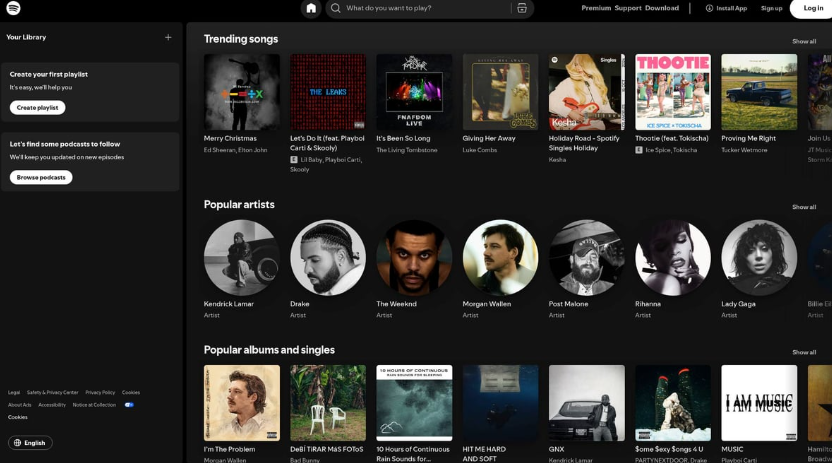
I noticed this myself while scrolling endlessly through streaming apps late at night. Popular recommendation sections kept showing the same mainstream titles repeatedly. Eventually, I realized that the best discoveries rarely come from generic “Top 10” lists.
That’s where specialized discovery tools become incredibly useful.
Some platforms focus on algorithmic recommendations, while others rely on passionate communities, detailed tagging systems, or personal tracking habits. The best tools help you uncover hidden gems you would never normally find on your own.
If you’re comparing mobile photography trends over the years, our guide on Best Headphones of 2026 also explores how modern audio technology is evolving alongside smartphone innovation.
What Makes a Good Discovery Tool?
Before diving into the platforms themselves, it’s important to understand what separates a useful recommendation tool from a mediocre one.
The best music and movie discovery tools usually offer:
- Personalized recommendations
- Community-driven reviews
- Genre exploration
- Watchlists or listening history tracking
- Smart algorithms
- Easy filtering options
- Cross-platform support
A good discovery platform should feel like a knowledgeable friend who understands your tastes instead of simply pushing trending content.
Every Noise at Once: The Ultimate Music Exploration Tool
One of the most fascinating music discovery tools I’ve ever used is Every Noise at Once.
Instead of presenting music through charts or playlists, it organizes artists into thousands of micro-genres.
Why It Stands Out
The platform visually maps nearly 2,000 music genres. You can click on any genre and instantly hear audio samples or explore related artists.
This is especially useful if:
- You’re tired of mainstream playlists
- You enjoy niche music scenes
- You want to understand genre evolution
In my experience, Every Noise at Once is one of the fastest ways to discover artists you never would have encountered through Spotify recommendations alone.
Last.fm: Still One of the Smartest Music Recommendation Engines
Even after years online, Last.fm remains incredibly powerful.
Its biggest feature is “scrobbling,” which tracks the songs you listen to across streaming platforms.
How Last.fm Improves Recommendations
Once the platform understands your listening habits, it starts generating:
- Personalized artist recommendations
- Similar albums
- Listening trends
- Upcoming concert alerts
- Deep artist comparisons
I personally found Last.fm most useful after using it consistently for a few weeks. The recommendations became surprisingly accurate over time.
Pro Tip
The more diverse your listening history becomes, the smarter the algorithm gets.
Bandcamp: Best for Discovering Independent Artists
Mainstream streaming services often prioritize major labels. That’s why Bandcamp feels refreshing.
Bandcamp allows independent musicians to upload and sell music directly to fans.
Why Music Fans Love Bandcamp
You can discover:
- Underground artists
- Vinyl releases
- Experimental genres
- Regional music scenes
- Limited-edition albums
The filtering system is extremely helpful. Users can browse by:
- Genre
- Format
- Location
- Popularity
In my experience, Bandcamp is where you discover music that feels personal and authentic rather than algorithmically manufactured.
RateYourMusic: Community-Driven Music Discovery
If you enjoy detailed reviews and genre categorization, RateYourMusic is incredibly valuable.
Unlike many recommendation engines, RateYourMusic relies heavily on user communities.
What Makes It Different
The platform allows users to:
- Rate albums
- Build lists
- Create genre rankings
- Discover obscure releases
- Read in-depth reviews
One thing I appreciate is the detailed tagging system. It helps users move beyond broad labels like “rock” or “electronic” and explore highly specific subgenres.
This is ideal for serious music enthusiasts who enjoy deep exploration.
See More: How does Drag Queen Bingo work?
Letterboxd: The Social Network for Movie Lovers
For movie fans, Letterboxd has become one of the internet’s most influential film communities.
Why Letterboxd Became So Popular
It combines:
- Movie tracking
- Social networking
- Reviews
- Watchlists
- Curated film lists
Users can follow other movie lovers and discover films through community recommendations instead of relying entirely on streaming algorithms.
In my experience, Letterboxd is especially useful for discovering:
- International cinema
- Indie films
- Older classics
- Hidden streaming gems
The platform feels far more human than most automated recommendation systems.
Taste.io: Personalized Movie Recommendations Made Simple
Taste.io takes a different approach.
The system asks users to rate movies they already enjoy, then uses that information to suggest similar content.
Why Taste.io Works Well
The interface is simple and beginner-friendly.
You don’t need to spend hours building profiles or tracking history. After rating a few titles, the recommendation engine quickly identifies patterns in your preferences.
This works particularly well if:
- You enjoy personalized suggestions
- You dislike browsing endlessly
- You want quick recommendations
I found Taste.io surprisingly effective for finding underrated thrillers and sci-fi movies.
Trakt: Perfect for Organizing Your Watch History
If you constantly forget which shows or movies you’ve already watched, Trakt can be incredibly helpful.
Best Features of Trakt
Trakt allows users to:
- Track watch history
- Create watchlists
- Discover trending content
- Sync with media platforms
- Receive recommendations
Its integration system is one of its biggest strengths.
In my experience, Trakt becomes especially valuable for people managing multiple streaming subscriptions.
JustWatch and Reelgood: Solving the Streaming Problem
One of the biggest frustrations today is figuring out where content is actually available.
That’s why platforms like JustWatch and Reelgood are essential.
What These Tools Do
They help users:
- Find streaming availability
- Compare platforms
- Discover new releases
- Track trending content
- Filter by genre and service
Instead of manually checking Netflix, Hulu, Prime Video, or Disney+, you can search once and instantly see where a movie is available.
This saves a huge amount of time.
TasteDive: The Best Cross-Media Recommendation Engine
TasteDive is unique because it connects multiple entertainment categories together.
You can enter:
- A movie
- A TV show
- A band
- A book
And it generates similar recommendations across media types.
Why This Is Useful
If you enjoy a specific film soundtrack or storytelling style, TasteDive may help you discover:
- Similar musicians
- Related films
- Matching books
- Comparable TV series
It creates a broader entertainment ecosystem instead of isolating recommendations by category.
Tunefind: A Hidden Gem for Soundtrack Fans
Have you ever heard a song in a movie or TV show and immediately wanted to know its name?
That’s exactly what Tunefind specializes in.
Why Tunefind Is So Useful
The platform identifies songs used in:
- TV episodes
- Movies
- Trailers
- Streaming shows
In my experience, Tunefind is incredibly useful for soundtrack discovery because some of the best music recommendations actually come from films and television.
Tips for Discovering Better Entertainment Recommendations
Over time, I’ve learned a few strategies that dramatically improve recommendation quality.
1. Avoid Relying on One Platform
Different tools excel at different things.
For example:
- Last.fm is excellent for music tracking
- Letterboxd is better for film communities
- TasteDive works well for cross-media discovery
2. Engage With Communities
Community reviews often reveal hidden gems that algorithms overlook.
3. Explore Niche Genres
Some of the best discoveries happen outside mainstream categories.
4. Track Your Habits
Recommendation engines improve significantly when they understand your preferences over time.
Conclusion
Finding new music and movies no longer depends entirely on mainstream charts or streaming homepages. Today’s best discovery tools combine smart algorithms, passionate communities, personalized tracking, and genre exploration to help users uncover entertainment that genuinely matches their tastes.
In my experience, platforms like Last.fm, Letterboxd, Bandcamp, and TasteDive make discovery feel exciting again. Instead of endlessly scrolling through repetitive recommendations, these tools encourage exploration, curiosity, and deeper engagement with music and film culture.
The best part is that each platform serves a different purpose. Some specialize in independent artists, others focus on movie communities, while some use advanced recommendation systems to personalize suggestions over time.
If you enjoy discovering hidden gems instead of following generic trends, these tools can completely transform the way you explore entertainment.