

Overview
Lakes for Summer Swimming in the Alps – Alps In Luxury Blog
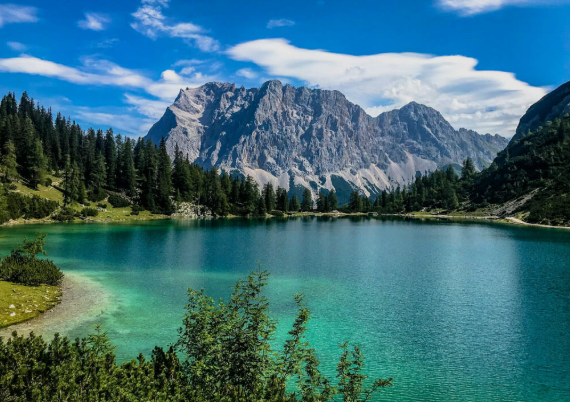
Swimming in the crystal waters of the Alps offers unmatched alpine panoramas and refreshing, crisp temperatures. Iconic alpine swimming spots range from the sandy shores of Austria’s Lake Zell to the crystalline depths of France’s Lac de Serre-Ponçon.
Whether you’re looking to dive into natural wild swimming or soak in heated outdoor infinity pools facing snow-capped peaks, the Alps provide stunning backdrops for aquatic adventures.
Top Alpine Swimming Destinations
- Lac de Serre-Ponçon (France): Located in the Southern Alps, this massive reservoir is famous for its clear turquoise waters, beaches, paddleboarding, and windsurfing.
- Lake Zell (Austria): A pristine alpine lake surrounded by Salzburg mountain scenery and relaxing waterfront lidos.
- Pozza Smeraldine (Italy): Hidden among the Dolomites, these emerald-green mountain pools offer one of the most refreshing wild swimming experiences in Europe.
- Lake Weißensee (Austria): Known as one of the cleanest lakes in the Alps, featuring exceptional visibility and peaceful forest surroundings.
Essential Tips for Alpine Swimming
- Alpine lakes remain cold even during summer because they are fed by glaciers and mountain runoff.
- July and August usually provide the warmest swimming temperatures.
- Wear a bright swimming cap when open-water swimming for visibility and safety.
- Check local tourism portals for updated water quality and beach accessibility information.
- Heated outdoor pools in Saint-Gervais Mont-Blanc offer a warmer alpine swimming experience with stunning mountain views.
Important Tips:
If you love fun travel experiences after a refreshing alpine adventure, don’t miss these Best Karaoke Gadgets for Singing Superstars: that can turn any lakeside cabin night or road trip into a memorable music party.
Why Swimming in the Alps Feels Completely Different
In my experience, swimming in the Alps feels less like a normal holiday activity and more like stepping into another world. The water is unbelievably clear, the mountain air feels fresh even during summer, and every lake seems surrounded by postcard-worthy scenery.
I still remember the first time I stood beside an alpine lake in Austria. The water looked almost unreal — turquoise near the shore and deep sapphire blue farther out. Snow-capped peaks reflected on the surface while hikers relaxed nearby with coffee and towels spread across the grass.
Unlike crowded beach destinations, alpine swimming combines adventure, relaxation, and nature in one experience.
The Great Alps stretch across several countries including France, Austria, Italy, Switzerland, and Germany, offering hundreds of lakes, outdoor pools, and hidden wild swimming spots. Some are lively tourist hubs while others remain peaceful secrets known mainly by locals.
Best Places for Swimming in the Great Alps
Lac de Serre-Ponçon, France
One of the most impressive alpine swimming destinations I researched was Lac de Serre-Ponçon in the Southern Alps of France.
This enormous reservoir is famous for:
- Crystal-clear turquoise water
- Sandy beaches
- Paddleboarding
- Windsurfing
- Family-friendly swimming zones
The surrounding mountain landscape creates an incredible contrast between bright blue water and rugged alpine peaks.
What makes this lake special is its versatility. You can spend the morning swimming and the afternoon kayaking, sailing, or hiking nearby trails.
During summer, the water becomes surprisingly comfortable compared to many glacier-fed lakes.
Practical Tip
If you prefer calmer swimming conditions, visit early in the morning before windsurfing activity increases.
Lake Zell, Austria
Lake Zell quickly became one of my favorite alpine lake discoveries because it combines relaxation with breathtaking Salzburg scenery.
The water clarity here is exceptional. On sunny days, you can often see deep below the surface near the shorelines.
Several waterfront lidos and swimming areas make access easy, especially at:
- Strandbad lido
- Zell am See lakefront
- Public bathing platforms
In my experience, Lake Zell feels ideal for travelers who want a balance between comfort and natural beauty.
You can:
- Swim during the day
- Explore mountain villages
- Take cable cars into the Alps
- Enjoy lakeside cafés in the evening
It offers a slower, peaceful atmosphere compared to crowded coastal resorts.
Pozza Smeraldine, Italy
If you love hidden natural swimming spots, Pozza Smeraldine in Italy deserves serious attention.
Located in the Friulian Dolomites, these emerald-green mountain pools look almost untouched by modern tourism.
The water here is icy cold because it flows directly from mountain streams, but the scenery makes the experience unforgettable.
I noticed that many travelers underestimate how refreshing cold alpine water can feel after hiking in summer heat.
What to Expect
- Natural rock pools
- Emerald-colored water
- Forest surroundings
- Quiet atmosphere
- Cold-water swimming
This is more of a wild swimming experience rather than a resort-style lake destination.
Lake Weißensee, Austria
Often described as one of the cleanest lakes in Austria, Lake Weißensee stands out for its visibility and peaceful setting.
Surrounded by forests and alpine slopes, it feels calmer and less commercialized than many famous European lakes.
The water quality is remarkable. Swimmers, divers, and paddleboarders are attracted by the lake’s clarity and tranquil atmosphere.
In my experience, this destination is perfect for travelers seeking:
- Nature
- Silence
- Eco-tourism
- Open-water swimming
- Scenic relaxation
The Reality of Swimming in Alpine Waters
Expect Cold Temperatures
One thing many first-time visitors underestimate is the temperature of alpine lakes.
Because these lakes are fed by:
- Glaciers
- Snowmelt
- Mountain runoff
the water remains cold most of the year.
Even during July and August, temperatures usually stay between:
- 18°C to 24°C
- 64°F to 75°F
Some smaller mountain pools can feel much colder.
My Advice
Never jump directly into freezing alpine water after intense hiking. Give your body time to adjust slowly.
Cold water shock is real and can affect breathing for several seconds.
Essential Alpine Swimming Safety Tips
1. Wear a Bright Swimming Cap
Open-water swimming visibility matters, especially on large lakes shared with:
- Boats
- Kayaks
- Paddleboards
- Windsurfers
Bright swim caps help others spot you quickly.
2. Check Local Water Conditions
Before swimming, always review:
- Water quality reports
- Weather forecasts
- Wind conditions
- Beach access updates
Regional tourism portals in Austria and France regularly publish updated information.
3. Avoid Swimming Alone
Wild swimming in remote alpine areas can be risky because:
- Water temperatures change suddenly
- Rocks may be slippery
- Depth can increase quickly
If possible, swim with a partner or remain near designated swimming zones.
4. Respect Nature
One thing I appreciated in the Alps is how clean many lakes remain. Visitors play a huge role in protecting these environments.
Simple habits make a difference:
- Avoid leaving trash
- Stay on marked trails
- Do not use harmful sunscreen products excessively
- Respect wildlife and quiet areas
Heated Outdoor Pools with Alpine Views
Not everyone enjoys freezing water, and thankfully the Alps also offer heated outdoor pools.
One of the most famous examples is Saint-Gervais Mont-Blanc in France.
These thermal-style outdoor pools provide:
- Comfortable swimming temperatures
- Panoramic mountain scenery
- Wellness experiences
- Spa-style relaxation
In my experience, this option works perfectly for travelers who want alpine scenery without the shock of glacier-fed lakes.
Watching Mont-Blanc while relaxing in warm water feels incredibly peaceful after a long hiking day.
Why Alpine Swimming Is Growing in Popularity
Over the last few years, more travelers have started searching for:
- Wild swimming adventures
- Nature-based travel
- Wellness tourism
- Outdoor experiences away from crowded beaches
The Alps naturally combine all these trends.
Unlike tropical destinations, alpine swimming offers:
- Crisp mountain air
- Quiet surroundings
- Cooler summer temperatures
- Cleaner water
- Unique scenery
Many travelers now prefer meaningful outdoor experiences over traditional resort vacations.
Best Time to Swim in the Alps
Based on my research and traveler experiences, the ideal months are:
July and August
These months provide:
- Warmest water temperatures
- Longer daylight hours
- Better hiking conditions
- More accessible mountain roads
However, popular lakes become busier during peak summer weeks.
For Quieter Experiences
Consider:
- Late June
- Early September
You’ll often enjoy fewer crowds while still experiencing beautiful weather.
What to Pack for Alpine Swimming
Here are a few essentials I’d strongly recommend:
- Bright swim cap
- Water shoes for rocky shorelines
- Quick-dry towel
- Lightweight wetsuit for colder lakes
- Waterproof bag
- Sunscreen
- Warm clothing after swimming
Mountain weather changes quickly, even during summer.
Final Thoughts
Swimming in the Great Alps is much more than simply cooling off during summer. It combines adventure, wellness, mountain scenery, and unforgettable natural beauty in a way few destinations can match.
From the turquoise waters of Lac de Serre-Ponçon to the emerald pools of Pozza Smeraldine and the peaceful clarity of Lake Weißensee, every alpine lake offers a completely different experience.
In my experience, the magic of alpine swimming comes from the contrast — icy clear water beneath towering peaks, quiet forests beside lively lakefront towns, and moments of calm that feel increasingly rare in modern travel.
If you enjoy nature, outdoor adventure, and meaningful travel experiences, exploring the crystal waters of the Alps deserves a place on your bucket list.
Read the Related Articles: How does Drag Queen Bingo work?