

I still remember the first time I drove a Volkswagen Polo through busy city streets. It felt simple, reliable, and surprisingly refined for a small hatchback. For years, the Polo earned a reputation as one of the most practical compact cars in Europe and many international markets. It was affordable, easy to drive, fuel-efficient, and trusted by millions of drivers.
But recently, things have changed.
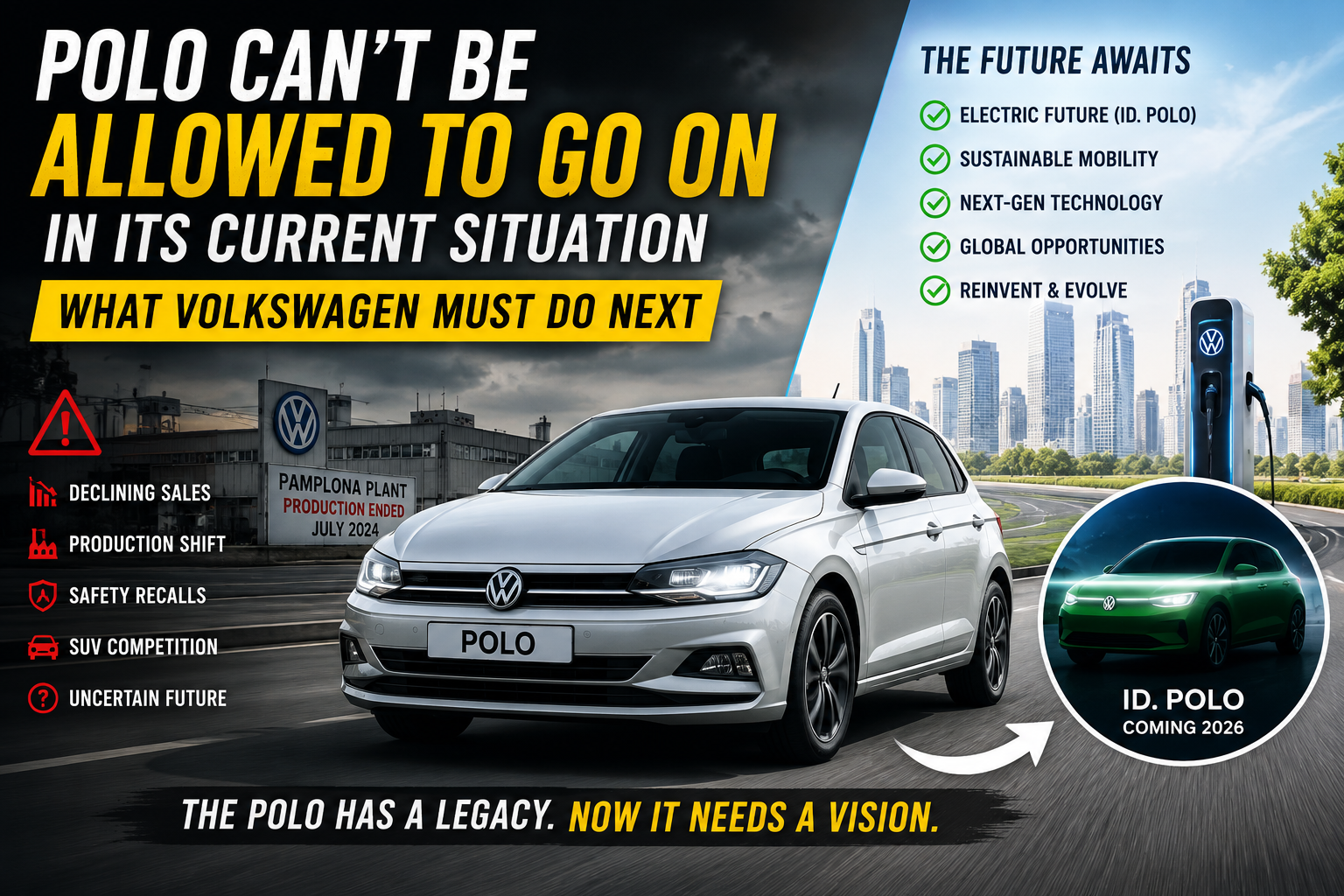
The Volkswagen Polo is now at a crossroads. Production has shifted away from Europe, sales in some regions are declining, safety recalls have raised concerns, and the rise of SUVs and electric vehicles is reshaping the entire small-car segment.
In my experience researching the automotive market, this isn’t just a story about one hatchback struggling to survive. It’s a bigger reflection of how traditional compact cars are fighting to remain relevant in a world rapidly moving toward electric mobility and larger vehicles.
The Polo cannot continue in its current situation forever without meaningful evolution.
The current challenges facing the Volkswagen Polo show how important innovation has become, much like in the world of Luxury Wildlife Safaris , where brands must continuously improve quality and customer satisfaction to remain competitive.
Overview: The Current Volkswagen Polo Situation
The Volkswagen Polo is entering a major transition period. After more than 40 years of production in Europe, Volkswagen ended production at its Pamplona, Spain facility in July 2024 to prepare the plant for future electric vehicle manufacturing.
However, the Polo is not disappearing entirely.
Production continues at Volkswagen’s Kariega plant in South Africa, where the hatchback will remain available for global markets until at least 2030. Volkswagen is also preparing an electric successor, expected to launch around 2026 under the likely name ID. Polo.
The latest Polo models were updated to meet strict Euro 7 and EU6e emissions and safety regulations, helping the car remain compliant without a complete redesign. Despite this, the small hatchback segment continues to face pressure as many buyers move toward SUVs and crossovers.
As of 2026, certain Volkswagen Polo and VW Taigo models have also faced safety recalls linked to faulty passenger airbag gas generators. Owners were advised to avoid using the front passenger seat until inspections were completed.
The Polo’s future now depends on how successfully Volkswagen balances affordability, safety, sustainability, and electrification.
Why the Volkswagen Polo Became So Popular
For decades, the Polo succeeded because it understood exactly what everyday drivers needed.
It wasn’t flashy. It wasn’t oversized. And it didn’t try too hard.
Instead, Volkswagen focused on:
- Reliability
- Practicality
- Fuel efficiency
- Comfortable driving
- Affordable ownership
- Compact city-friendly design
In many countries, the Polo became the perfect first car for students, families, commuters, and young professionals.
Even today, many drivers still appreciate its balanced handling and refined interior quality compared to rivals in the small hatchback market.
The End of European Production Changed Everything
One of the biggest moments in the Polo’s history came when Volkswagen stopped production at the Pamplona factory in Spain.
At first, many people assumed this meant the Polo was ending completely. But after digging deeper into the situation, it became clear that Volkswagen was making room for something bigger: electric vehicle production.
This decision reflects the massive transformation happening across the global automotive industry.
Manufacturers are under pressure to:
- Reduce emissions
- Meet stricter Euro 7 regulations
- Transition toward EV platforms
- Cut production costs
- Prepare for future sustainability targets
The Polo became a victim of that transition.
Still, production continuing at the Kariega plant in South Africa shows Volkswagen understands there is still strong global demand for affordable hatchbacks.
Why Small Cars Are Struggling in Europe
One thing I’ve noticed over the last few years is how quickly buyers have shifted toward SUVs and crossovers.
Cars like the:
- VW T-Roc
- VW Taigo
- Hyundai Kona
- Nissan Juke
have attracted drivers who once would have chosen hatchbacks like the Polo.
SUVs now dominate because many consumers believe they offer:
- Better visibility
- More practicality
- Higher seating positions
- Modern styling
- Family versatility
Unfortunately, this trend has made life harder for compact cars.
The small-car segment is shrinking in Europe, and manufacturers are finding it increasingly difficult to justify producing affordable petrol-powered hatchbacks under strict environmental regulations.
Safety Recalls Have Hurt Consumer Confidence
Another challenge affecting the Polo’s reputation has been safety recalls.
As of 2026, some Volkswagen Polo and VW Taigo models were recalled because of faulty passenger airbag gas generators. Owners were advised not to use the front passenger seat until inspections were completed.
Even though recalls are common across the automotive industry, they still damage public trust.
In my opinion, modern buyers now pay far more attention to:
- Safety ratings
- Reliability reports
- Long-term ownership costs
- Brand transparency
Volkswagen cannot afford repeated quality-control concerns if it wants the Polo to remain competitive.
Can the Polo Survive Until 2030?
Surprisingly, yes.
Despite declining European sales, the Polo still performs well in several international markets where:
- Smaller roads favor compact cars
- Fuel economy matters
- Affordable pricing remains important
- EV infrastructure is still developing
The Kariega production facility in South Africa now plays a major role in keeping the Polo alive globally.
And honestly, this strategy makes sense.
Not every market is ready for fully electric vehicles yet. Many countries still depend heavily on practical petrol-powered hatchbacks that are affordable to maintain and repair.
The Future Is Clearly Electric
Volkswagen already appears focused on the next chapter: the rumored ID. Polo.
If launched successfully around 2026, this electric hatchback could redefine what the Polo represents.
The future model will likely focus on:
- Zero-emission driving
- Modern digital interiors
- Improved connectivity
- Lower running costs
- Urban mobility solutions
But Volkswagen faces a difficult balancing act.
The biggest challenge will be keeping the vehicle affordable.
One reason the original Polo became so successful was accessibility. If future electric versions become too expensive, they risk losing the audience that made the Polo iconic in the first place.
What Volkswagen Needs to Improve
In my experience following automotive trends, the Polo still has enormous potential. But Volkswagen must evolve carefully.
Here are the areas where improvement is essential:
1. Stronger Reliability and Safety
Customers need confidence in long-term durability and recall management.
2. Affordable Electric Transition
The ID. Polo cannot become a luxury-only city EV.
3. Better Technology Integration
Modern buyers expect:
- Smart infotainment
- Wireless connectivity
- Driver-assistance systems
- Digital convenience
4. Preserve the Polo Identity
The car should remain:
- Practical
- Compact
- Efficient
- Easy to drive
Losing these qualities would damage everything that made the Polo successful.
Why the Polo Still Matters
Some people believe small hatchbacks are becoming irrelevant.
I disagree.
Cars like the Volkswagen Polo still solve real-world problems better than many oversized SUVs. They are easier to park, cheaper to run, more fuel-efficient, and often ideal for urban environments.
For younger drivers and budget-conscious families, compact hatchbacks remain incredibly important.
And globally, affordable entry-level vehicles will continue to play a huge role for years to come.
Final Thoughts
The Volkswagen Polo is not disappearing, but it absolutely cannot continue exactly as it is today.
The automotive world is changing too quickly.
Between stricter regulations, electric vehicle expansion, safety expectations, and shifting buyer habits, Volkswagen must carefully reinvent the Polo without losing its core identity.
In many ways, the Polo’s current situation represents the challenge facing the entire compact car industry.
The next few years will determine whether the Polo evolves into a successful modern electric hatchback or slowly fades behind the SUV revolution.
But one thing is certain: the Polo still matters, and millions of drivers around the world are hoping Volkswagen gets its future right.