
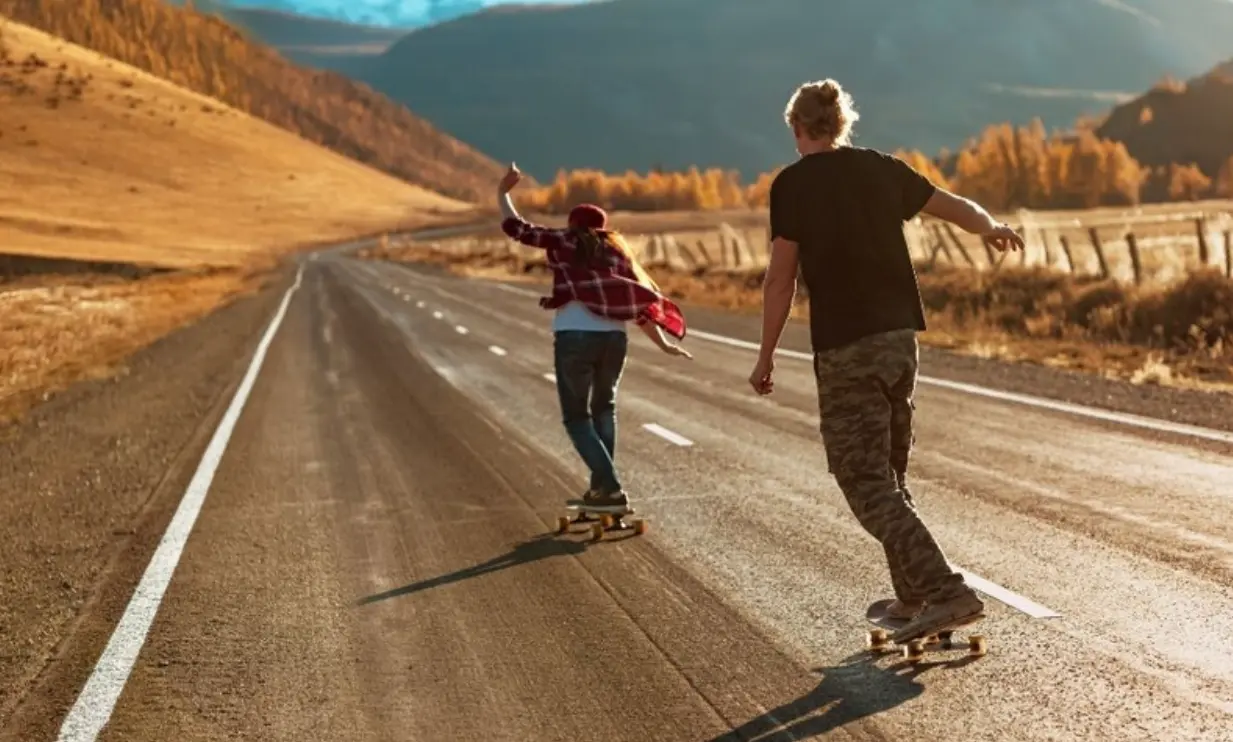
A few years ago, I mostly saw longboards in beach towns, skate parks, or college campuses. Today, they seem to be everywhere. From busy urban streets to coastal pathways and public parks, more people are choosing longboards for transportation, fitness, relaxation, and fun.
In my experience, the rise of longboarding is not just another short-lived trend. It reflects a bigger lifestyle shift. People want activities that combine exercise, freedom, social connection, and sustainability without feeling overly complicated or expensive.
Longboarding checks all of those boxes.
Unlike traditional skateboards, longboards are designed for smoother rides, greater stability, and easier control. That makes them approachable for beginners while still exciting enough for experienced riders who enjoy downhill riding, carving, dancing, freeride sliding, or freestyle tricks.
After researching different riding styles, board setups, fitness benefits, and beginner experiences, it became clear why longboards are gaining popularity so quickly.
Overview
Longboards are experiencing a major rise in popularity because they are beginner-friendly, highly stable, and offer a smooth, low-impact riding experience. Their longer decks, larger soft urethane wheels, and wider reverse kingpin trucks make balancing and carving much easier than on traditional skateboards.
Longboarding is also becoming popular as an eco-friendly commuting option for short-distance travel. Riders can easily carry boards onto public transportation, store them under desks, or use them to avoid traffic and parking frustrations.
Some of the biggest reasons behind the longboarding boom include:
- smoother rides on rough pavement
- easier learning curve for beginners
- improved cardiovascular fitness
- better balance and coordination
- stress relief through outdoor activity
- strong social and community culture
Modern longboarding has expanded into several riding styles including:
- cruising
- downhill racing
- freestyle riding
- freeride sliding
- longboard dancing
In my experience, one of the biggest reasons people stay interested in longboarding is the freedom it offers. Riders can customize their boards, riding styles, and skill progression based on their own personality and goals.
Why Longboarding Is Becoming So Popular
Longboarding has evolved from a niche hobby into a mainstream outdoor activity. Several trends are driving this growth at the same time.
1. People Want Fun Ways to Stay Active
Traditional workouts can feel repetitive for many people. Longboarding offers exercise without feeling like exercise.
When you ride regularly, you naturally improve:
- cardiovascular health
- balance
- coordination
- endurance
- core strength
- leg muscles
In my experience, longboarding feels more like an adventure than a workout routine, which makes it easier to stay consistent.
Even casual cruising requires constant movement, balance adjustments, and weight shifting that engage the entire body.
2. Social Media Made Longboarding More Visible
Platforms like Instagram and TikTok have introduced millions of people to longboarding culture.
Videos featuring:
- downhill carving
- longboard dancing
- freestyle tricks
- scenic cruising routes
- urban commuting
have made the activity look accessible, creative, and exciting.
Unlike some extreme sports, longboarding can appear both relaxing and thrilling depending on the riding style.
This broad appeal attracts beginners and experienced riders alike.
3. Eco-Friendly Transportation Matters More Now
As cities become more crowded, many people are looking for alternatives to short car trips.
Longboards offer:
- zero-emission commuting
- easy portability
- low maintenance
- affordable transportation
I have personally noticed how convenient longboards are for short urban travel. They fit easily into car trunks, under office desks, or onto buses and trains.
For students and city commuters, that flexibility is a major advantage.
The Biggest Benefits of Longboarding
Longboarding is not just transportation or entertainment. It combines fitness, recreation, stress relief, and outdoor exploration into one activity.
Smoother and More Forgiving Ride
One of the first things beginners notice is how smooth longboards feel compared to traditional skateboards.
This happens because longboards use:
- larger wheels
- softer urethane wheels
- longer decks
- wider trucks
These features absorb cracks, rough pavement, and small pebbles much more effectively.
In my experience, this smoother ride helps beginners build confidence quickly because the board feels stable instead of unpredictable.
Better Stability for Beginners
Traditional skateboards often feel intimidating for first-time riders. Longboards solve many of those beginner frustrations.
Their:
- wider platforms
- longer wheelbases
- reverse kingpin trucks
- larger standing areas
create a much larger “sweet spot” for foot placement.
This makes balancing and carving easier while reducing the fear of immediate wipeouts.
Many beginners can learn basic cruising within a few practice sessions.
Excellent Low-Impact Exercise
Longboarding provides an effective cardiovascular workout without placing heavy stress on joints.
That makes it attractive for people who:
- dislike running
- want low-impact cardio
- enjoy outdoor fitness
- prefer active hobbies
The constant pushing motion strengthens:
- calves
- glutes
- thighs
- core muscles
Meanwhile, balancing improves overall body coordination and posture.
Stress Relief and Mental Health Benefits
One surprising benefit I discovered while researching longboarding is how calming it can feel.
Cruising along smooth pavements, parks, beaches, or scenic routes creates a relaxing mental break from screens and daily stress.
Many riders describe longboarding as:
- meditative
- freeing
- creative
- therapeutic
Outdoor movement combined with fresh air and rhythm-based motion can improve mood significantly.
Read More: How to Choose the Right Chairs for a Modern Home
Different Types of Longboards Explained
Not every longboard is designed for the same purpose. Choosing the right style matters.
Cruisers
Cruisers are ideal for:
- beginners
- casual rides
- commuting
- smooth carving
They are stable, easy to control, and excellent for everyday riding.
Popular beginner options include:
- Landyachtz Dinghy
- Arbor Collective Axis
Downhill Longboards
Downhill boards are built for:
- speed
- hill descents
- advanced riders
- stability at high velocity
These boards usually feature:
- stiff decks
- larger wheelbases
- performance-oriented setups
The Loaded Boards Tarab is often praised for downhill and freeride performance.
Freestyle Longboards
Freestyle riding focuses on:
- tricks
- spins
- dancing
- technical footwork
These boards are flexible and highly maneuverable.
Longboard dancing has become especially popular on social media because of its fluid and expressive style.
Freeride Longboards
Freeride combines:
- downhill riding
- sliding
- carving
- controlled skidding
Riders use freeride boards for expressive movement and technical slides around corners.
How to Choose the Right Longboard
One mistake many beginners make is buying a board without understanding their riding goals.
In my experience, choosing the right setup makes learning dramatically easier.
Consider Your Riding Style
Ask yourself:
- Do you want to commute?
- Learn tricks?
- Cruise casually?
- Ride downhill?
- Explore parks and trails?
Your answers determine the ideal deck shape and wheel setup.
Pay Attention to Deck Flexibility
- Softer flex decks offer smoother rides and comfort.
- Stiffer decks provide more stability at higher speeds.
Beginners usually enjoy moderate flexibility because it feels forgiving and comfortable.
Wheel Size Matters
Larger wheels:
- handle rough roads better
- maintain momentum
- improve cruising comfort
Smaller wheels:
- accelerate faster
- work better for technical tricks
Soft urethane wheels remain one of the biggest reasons longboards ride so smoothly.
Best Places to Longboard
One of the best things about longboarding is its versatility.
Great riding locations include:
- parks
- bike paths
- beachfront promenades
- urban sidewalks
- scenic trails
- college campuses
In my experience, smooth pathways with moderate space are ideal for beginners because they reduce obstacles and distractions.
Essential Beginner Longboarding Tips
If you are just starting, focus on fundamentals first.
Start Slow
Do not rush into speed or tricks immediately.
Practice:
- balancing
- pushing
- carving
- foot braking
- turning
Building comfort gradually improves confidence and safety.
Wear Protective Gear
Always wear:
- a helmet
- knee pads
- wrist guards
- elbow pads
Even experienced riders prioritize safety gear during downhill or freeride sessions.
Learn Basic Carving First
Carving teaches:
- balance control
- weight shifting
- board responsiveness
It is one of the most important foundational skills for all riding styles.
Why Longboarding Feels Like More Than Just a Sport
One thing that stands out about longboarding culture is how welcoming it feels.
Unlike some competitive sports communities, longboarding often encourages:
- creativity
- self-expression
- exploration
- progression at your own pace
People ride for different reasons:
- fitness
- transportation
- adrenaline
- relaxation
- social connection
That flexibility makes the activity appealing across different ages and skill levels.
Final Thoughts
The rise of longboarding makes perfect sense once you experience it firsthand.
It combines:
- fitness
- freedom
- transportation
- creativity
- outdoor adventure
- community
into one incredibly accessible activity.
In my experience, the biggest reason longboarding continues growing is because it adapts to individual lifestyles. Some people ride to commute. Others ride for stress relief, downhill excitement, freestyle tricks, or social connection.
And unlike many hobbies, getting started does not require expensive memberships or complicated training.
All you really need is:
- the right board,
- a safe place to practice,
- and the willingness to start rolling.
Once you do, it becomes easy to understand why longboards are taking over the pavement everywhere.