

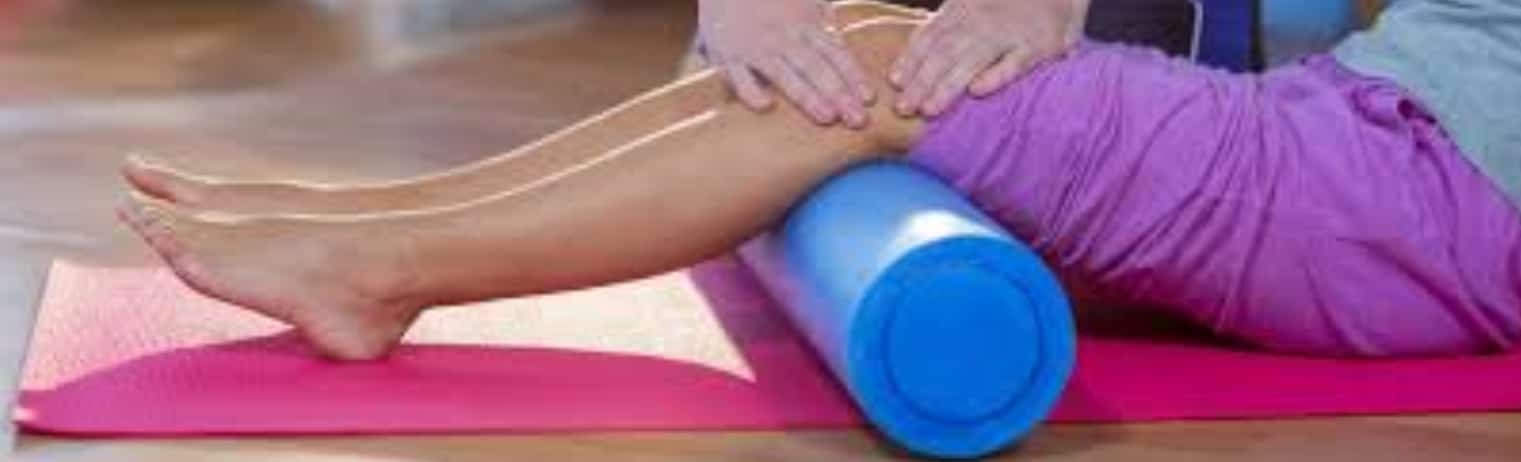
Knee and ankle pain can make even the simplest daily activities feel challenging. Walking up stairs, getting out of a car, exercising, or even standing for long periods may suddenly become uncomfortable. In my experience researching joint health and mobility, one of the most overlooked facts is that knee pain and ankle pain are often connected.
Many people focus only on the area that hurts, but our bodies rarely work in isolation. The ankle joint, knee joint, muscles, tendons, ligaments, and connective tissues all work together as part of a larger movement system. When one area struggles, another often compensates.
Understanding these connections can help you find effective relief, prevent future injuries, and improve your overall mobility. In this guide, I’ll explain why knee and ankle pain often occur together, what causes them, and which exercises and treatments can help you recover and stay active.
Important Tip:
While these exercises can improve knee and ankle function, adopting the
Essential Rules to a Healthy and Happy Life
may further enhance your physical health and daily quality of life.
Overview
Effective prevention and treatment for knee and ankle pain rely on a combination of activity modification, targeted strengthening, and professional guidance.
For immediate discomfort relief, many healthcare professionals recommend using the R.I.C.E. method (Rest, Ice, Compression, Elevation) or the newer P.E.A.C.E. approach, which encourages gentle movement and active recovery rather than prolonged rest.
Immediate Relief Strategies
The R.I.C.E. and P.E.A.C.E. Methods
- Rest the affected joint.
- Apply ice for 15–20 minutes to reduce swelling.
- Use compression bandages when appropriate.
- Elevate the joint above heart level.
The P.E.A.C.E. protocol takes recovery a step further by emphasizing protection, education, avoiding anti-inflammatory overuse, compression, elevation, and gradual loading.
Pain Relievers
Over-the-counter medications such as ibuprofen and acetaminophen may help manage temporary pain and inflammation.
Topical Treatments
Menthol-based and camphor-based creams or gels can provide temporary relief for sore muscles and joints.
Long-Term Treatment and Prevention
- Strengthen calves, quadriceps, hamstrings, and supporting muscles.
- Focus on low-impact workouts such as swimming, cycling, and elliptical training.
- Wear supportive footwear regularly.
- Maintain a healthy body weight to reduce stress on joints.
When to Seek Professional Help
Because the knee and ankle are connected through the kinetic chain, pain in one area can contribute to dysfunction elsewhere. Consult a healthcare provider or physical therapist if pain becomes chronic, worsens during movement, or interferes with daily activities.
A personalized physical therapy program can help restore joint mechanics, improve mobility, and build long-term strength.
Why Are Knee and Ankle Pain Connected?
One concept that helped me better understand joint pain is the idea of the kinetic chain.
The kinetic chain refers to how the body’s joints, muscles, tendons, and ligaments work together during movement. Every step you take requires coordination between your feet, ankles, knees, hips, and even your lower back.
If one link in the chain becomes weak, stiff, injured, or painful, other joints must compensate.
For example:
- Limited ankle mobility can place extra stress on the knee.
- Knee injuries can change your walking pattern (gait).
- Foot pain may force you to shift weight unnaturally.
- Hip weakness can alter ankle and knee mechanics.
Over time, these compensations often lead to additional pain and stiffness.
This is why many people experience knee and ankle pain in the same leg.
Common Symptoms
Depending on the cause, symptoms may include:
- Sharp pain
- Dull aching pain
- Throbbing discomfort
- Stiffness
- Swelling
- Reduced range of motion
- Instability while walking
- Tenderness around the joint
The specific symptoms vary from person to person, but they often indicate that the body is compensating somewhere within the kinetic chain.
Common Causes of Knee and Ankle Pain
Understanding the root cause is the first step toward effective treatment.
1. Injuries in One Joint
An injury to either the ankle or knee frequently affects the neighboring joint.
Common injuries include:
- Sprains
- Strains
- Tendinitis
- Fractures
- Ligament injuries
For example, an ankle sprain may cause you to favor one side while walking. Over time, this altered movement pattern can place excessive pressure on the knee.
2. Poor Mobility and Muscle Weakness
Weak muscles around the knees and ankles reduce joint stability.
When muscles fail to support the joints properly, the body compensates by placing additional strain on tendons, ligaments, and cartilage.
Common problem areas include:
- Calves
- Quadriceps
- Hamstrings
- Glutes
- Core muscles
3. Sudden Increases in Activity
I often see people become highly motivated and jump into intense exercise programs too quickly.
Activities such as:
- Running
- Tennis
- Pickleball
- Hiking
- Sports training
can overload tissues that haven’t been conditioned properly.
Gradual progression is essential.
4. Arthritis and Chronic Conditions
Arthritis remains one of the most common causes of chronic knee and ankle pain.
Conditions include:
- Osteoarthritis
- Rheumatoid arthritis
- Degenerative joint disease
Research from the Multicentre Osteoarthritis Study (MOST Study) suggests that foot and ankle pain may increase the risk of developing knee osteoarthritis and worsening knee symptoms.
5. Poor Footwear
Shoes play a larger role in joint health than many people realize.
Unsupportive footwear can contribute to:
- Poor alignment
- Increased impact forces
- Reduced shock absorption
- Joint instability
Regularly worn-out shoes can increase stress throughout the lower body.
Best Exercises for Knee and Ankle Pain
One lesson I’ve learned repeatedly is that movement is often part of the solution—not the problem.
The right exercises improve:
- Strength
- Flexibility
- Circulation
- Balance
- Proprioception (body awareness)
- Joint lubrication
Below are some effective exercises commonly recommended for knee and ankle discomfort.
Standing Calf Stretch
This stretch improves ankle mobility while reducing tension throughout the lower leg.
How to Do It
- Stand facing a wall.
- Place one foot behind the other.
- Keep the back heel flat.
- Lean forward gently.
- Hold for 20–30 seconds.
Calf Raises
Calf raises strengthen muscles that support both the ankle and knee.
Steps
- Stand with feet hip-width apart.
- Rise onto your toes.
- Pause briefly.
- Slowly lower back down.
- Repeat 10–15 times.
Lateral Step Downs
This exercise improves knee stability and lower-body control.
Steps
- Stand on a step.
- Slowly lower one foot toward the floor.
- Keep your knee aligned.
- Return to starting position.
Standing Side Leg Raise
Strong hip muscles reduce stress on both knees and ankles.
Steps
- Stand upright.
- Lift one leg out to the side.
- Hold briefly.
- Return slowly.
Single-Leg Romanian Deadlift (RDL)
This movement develops balance, coordination, and lower-body strength.
Benefits
- Improves proprioception
- Strengthens hamstrings
- Enhances joint stability
Ankle Mobilization
Ankle mobility exercises help restore healthy movement patterns.
Perform controlled forward knee movements over the toes while keeping the heel grounded.
Treatment Options for Knee and Ankle Pain
Most cases improve with conservative treatment.
Physical Therapy
Physical therapy remains one of the most effective evidence-based approaches for joint pain.
A physical therapist can:
- Identify movement limitations
- Improve flexibility
- Strengthen weak muscles
- Correct faulty movement patterns
Virtual physical therapy and telehealth programs have also become increasingly accessible.
Ice and Heat Therapy
Use Ice For:
- Recent injuries
- Swelling
- Acute inflammation
Use Heat For:
- Stiff joints
- Tight muscles
- Chronic discomfort
Apply either treatment for 10–20 minutes at a time.
Activity Modification
Movement is medicine, but sometimes adjustments are necessary.
Instead of completely stopping activity:
- Reduce intensity
- Shorten workout duration
- Choose gentler exercises
Low-Impact Exercise Alternatives
Excellent options include:
- Swimming
- Cycling
- Water aerobics
- Elliptical training
These activities maintain fitness while minimizing joint stress.
Massage Gun Therapy
Massage guns may help:
- Reduce muscle tension
- Improve circulation
- Enhance mobility
Focus on surrounding muscles such as calves, quadriceps, and hamstrings rather than directly on painful joints.
How to Prevent Knee and Ankle Pain
Prevention is usually easier than recovery.
Stay Active Consistently
Daily movement helps maintain:
- Mobility
- Strength
- Joint lubrication
- Balance
Even 15–20 minutes per day can make a difference.
Start Slowly
Whenever beginning a new exercise routine:
- Increase activity gradually.
- Monitor soreness.
- Prioritize recovery.
Take Movement Breaks
Sitting for long periods contributes to stiffness and reduced circulation.
Aim to stand and move every hour.
Wear Supportive Shoes
Choose footwear that:
- Fits properly
- Provides cushioning
- Supports your arch
- Matches your activity level
Avoid relying on unsupportive flip-flops or worn-out shoes for daily use.
Replace Shoes Regularly
Most frequently used athletic shoes should be replaced every six to twelve months depending on wear.
Address Pain Early
Small aches often become larger problems when ignored.
Early intervention typically leads to faster recovery and better outcomes.
A Practical Mindset for Recovery
One of the most valuable lessons I’ve learned is not to compare current abilities with what you could do before pain started.
Recovery isn’t always linear.
Instead:
- Focus on small improvements.
- Celebrate progress.
- Stay consistent.
- Listen to your body.
Trying to push through significant pain often prolongs recovery rather than speeding it up.
Conclusion
Knee and ankle pain are closely connected through the body’s kinetic chain. When one joint becomes stiff, weak, or injured, the other often compensates, leading to additional discomfort and movement limitations.
Fortunately, many cases respond well to conservative treatments such as physical therapy, targeted strengthening exercises, mobility training, supportive footwear, activity modification, and low-impact exercise.
In my experience, the biggest difference comes from consistency rather than intensity. Small daily efforts—stretching, strengthening, moving regularly, and addressing issues early—can dramatically improve joint health over time.
If your pain persists, worsens, or limits your daily activities, seeking guidance from a healthcare provider or physical therapist can help identify the root cause and create a personalized recovery plan. Taking action today can help you move more comfortably tomorrow.