

Overview
Women generally manage stress differently rather than inherently “better.” Their coping advantage comes down to a mix of biology and socialization. Women are biologically wired to “tend and befriend” by utilizing oxytocin, and they are culturally encouraged to process emotions openly.
Scientific explanations for this dynamic include:
1. The “Tend and Befriend” Response
Hormonal Buffers: In stressful situations, women’s bodies produce higher levels of oxytocin, a hormone associated with calmness, trust, and social bonding. This can help soften the body’s fight-or-flight response.
Social Connection: Rather than withdrawing or reacting aggressively, women are often more likely to seek emotional support, empathy, and meaningful social interaction.
2. Emotion-Focused Coping Mechanisms
Wider Toolsets: Research consistently shows that women use emotion-focused coping strategies more frequently than men.
Actionable Outlets: These strategies include seeking emotional support, self-distraction, talking through problems, and expressing emotions, all of which can help process stress in healthier ways.
3. Brain Development and Emotional Intelligence
Processing Strengths: Women often demonstrate higher levels of empathy and emotional intelligence, which can influence how they manage stress.
Biological Differences: Studies have identified sex-specific differences in how male and female brains respond to emotional stress and regulate stress-related hormones.
The Downside of Better Emotional Processing
Although women may be more likely to acknowledge and process emotional challenges, this tendency can also increase vulnerability to anxiety disorders and depression. This may explain why women are diagnosed with certain mental health conditions at significantly higher rates than men.
Introduction
Why are stress levels among women 50% higher than men? It’s a question that has attracted growing attention from mental health professionals, workplace experts, and researchers around the world.
According to findings from the Health and Safety Executive (HSE), women in the workforce experience substantially higher rates of work-related stress than men. The difference becomes particularly noticeable among women aged 35 to 54, a stage of life where career demands, parenting responsibilities, caregiving duties, financial obligations, and personal expectations often collide.
See More: 5 Essential Rules to a Healthy and Happy Life
In my experience researching workplace wellbeing and mental health trends, one thing becomes clear very quickly: stress among women is rarely caused by a single factor. Instead, it develops from a combination of workplace pressure, family responsibilities, societal expectations, emotional labor, and personal perfectionism.
This article explores the key reasons behind higher female stress levels, the science of how women respond to pressure, the impact on mental health, and practical strategies that can help women protect their wellbeing in today’s fast-paced world.
Women Are More Likely to Experience Stress Than Men
Research from the Health and Safety Executive revealed that women experience significantly higher levels of workplace stress than men.
Among working-age adults, women between 35 and 54 years old consistently report the highest rates of work-related stress, anxiety, and emotional exhaustion. Mental health professionals believe this is closely linked to the increasing number of responsibilities modern women carry both inside and outside the workplace.
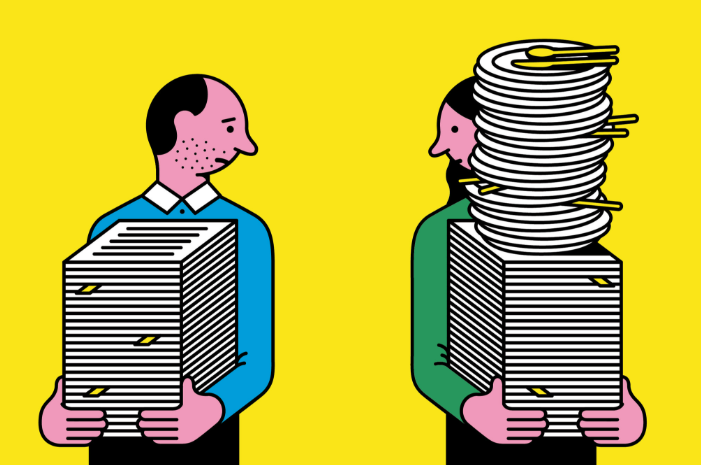
Today, millions of women simultaneously manage careers, childcare, household responsibilities, aging parents, personal relationships, and financial commitments.
While men certainly face stress too, studies suggest that women are more likely to acknowledge it, report it, and seek help for it.
The “Do-It-All” Generation
One of the biggest contributors to female stress is what many experts call the “do-it-all” expectation.
Modern women are encouraged to excel in multiple areas simultaneously:
- Build a successful career
- Be a supportive partner
- Raise children
- Care for elderly relatives
- Maintain friendships
- Stay physically healthy
- Manage household tasks
- Pursue personal growth
While these goals can be rewarding, trying to achieve all of them at once often creates overwhelming pressure.
I was skeptical at first, but after speaking with working mothers and female professionals during my research, a recurring theme emerged. Many felt that no matter how much they accomplished, there was always another responsibility demanding attention.
This constant balancing act can eventually lead to burnout.
Workplace Stress: A Major Driver
Heavy Workloads and Tight Deadlines
The HSE consistently identifies workload as one of the primary causes of workplace stress.
Women frequently report feeling pressure from:
- Excessive responsibilities
- Aggressive targets
- Tight deadlines
- Staffing shortages
- Increased performance expectations
As organizations become more competitive, employees are often expected to accomplish more with fewer resources.
This pressure can gradually erode work-life balance and emotional wellbeing.
Career Progression Challenges
Research from Tel Aviv University found that many women perceive their workplace environment less positively than men.
Several factors contribute to this perception:
Limited Networking Opportunities
Women with caregiving responsibilities often have less time for after-work networking events, business dinners, and informal relationship-building opportunities.
These interactions can play a significant role in promotions and career development.
Job Insecurity
Periods of restructuring and workforce reductions can increase stress significantly.
Many women worry about balancing family commitments while maintaining career progression, especially during uncertain economic periods.
Lack of Flexibility
Flexible work arrangements remain one of the most requested employee benefits.
When flexibility is lacking, stress often increases dramatically for women balancing professional and personal responsibilities.
Why Family Responsibilities Increase Stress
The Invisible Mental Load
One concept receiving increased attention is the “mental load.”
This refers to the ongoing cognitive effort required to manage family life.
Examples include:
- Scheduling appointments
- Planning meals
- Monitoring children’s activities
- Organizing household tasks
- Remembering birthdays and family obligations
Even when responsibilities are shared, women often carry a larger share of the planning and coordination.
Over time, this invisible workload contributes to chronic stress.
Caring for Multiple Generations
Many women belong to what experts call the “sandwich generation.”
They simultaneously care for:
- Children
- Aging parents
- Partners
- Household responsibilities
This dual caregiving role creates emotional and physical strain that can significantly impact mental health.
The Psychology Behind Female Stress
Perfectionism and the Inner Critic
Mental health professionals frequently observe common personality traits among high-achieving women.
These include:
- Perfectionism
- Self-criticism
- Fear of failure
- Desire for approval
- High personal standards
While these qualities can contribute to career success, they can also increase vulnerability to anxiety and burnout.
My biggest concern when studying this topic was understanding why accomplished women often experience self-doubt despite impressive achievements.
The answer appears to lie in unrealistic expectations and constant self-evaluation.
Emotional Intelligence: Strength and Challenge
Women often demonstrate strong emotional intelligence and empathy.
These strengths can improve relationships, leadership abilities, and communication skills.
However, constantly managing emotions—both personal and those of others—can become exhausting.
This phenomenon is often referred to as emotional labor.
Anxiety, Depression, and Women’s Mental Health
Research consistently shows that women are diagnosed with anxiety disorders at roughly twice the rate of men.
Women are also more likely to experience depression during their lifetime.
Several factors contribute to these differences:
- Hormonal influences
- Social expectations
- Emotional processing styles
- Chronic stress exposure
- Caregiving burdens
The connection between stress and mental health should not be underestimated.
Persistent stress affects sleep, mood, concentration, physical health, and overall quality of life.
The Impact of Digital Saturation
Modern technology has transformed the workplace.
Unfortunately, it has also blurred the boundary between work and personal life.
Emails arrive late at night.
Messages continue during weekends.
Smartphones keep employees connected around the clock.
Many professionals now feel as though work follows them everywhere.
This constant connectivity contributes significantly to emotional exhaustion.
Why Many Women Delay Seeking Help
One surprising reality is that many women seek support only after reaching a crisis point.
Common reasons include:
- Feeling guilty about prioritizing themselves
- Fear of disappointing others
- Belief they should handle everything alone
- Concerns about workplace stigma
Mental health experts emphasize that seeking support early can prevent stress from escalating into more serious conditions.
Practical Ways Women Can Reduce Stress
Build Strong Support Networks
Social connection remains one of the most powerful stress-management tools available.
Talking openly with trusted friends, family members, mentors, or therapists can improve emotional resilience.
Set Realistic Expectations
Perfection is not a sustainable goal.
Learning to prioritize what truly matters can reduce unnecessary pressure.
Establish Boundaries
Creating clear boundaries between work and personal life helps prevent chronic stress.
This may include:
- Limiting after-hours emails
- Taking regular breaks
- Protecting personal time
Prioritize Sleep
Many women operate with significant sleep deficits.
Quality sleep improves emotional regulation, decision-making, and overall wellbeing.
Seek Professional Support
Organizations such as Priory provide mental health services designed to help individuals manage workplace stress, anxiety, depression, and burnout before problems become overwhelming.
The Economic Impact of Stress
Stress affects far more than individual wellbeing.
Government estimates suggest that millions of working days are lost annually due to stress, anxiety, and depression.
The economic impact extends to:
- Reduced productivity
- Increased absenteeism
- Healthcare costs
- Employee turnover
- Lower workplace engagement
Addressing workplace mental health is not just a personal issue—it is a business and societal priority.
Quick Takeaways
- Women experience approximately 50% higher work-related stress than men.
- Women aged 35 to 54 face the highest stress levels.
- Workplace pressure and family responsibilities are major contributors.
- Anxiety and depression occur more frequently among women.
- Oxytocin and emotion-focused coping influence how women process stress.
- Strong support systems and healthy boundaries can significantly improve wellbeing.
Frequently Asked Questions
Why do women report higher stress levels than men?
Women often balance multiple responsibilities, including careers, caregiving, parenting, and household management. They are also more likely to acknowledge and report emotional distress.
Are women better at coping with stress?
Women often use emotion-focused coping strategies and social support networks more frequently than men. However, they may also internalize stress, increasing the risk of anxiety and depression.
What is the biggest cause of workplace stress for women?
Research consistently points to excessive workload, tight deadlines, lack of flexibility, career progression challenges, and balancing family responsibilities as major stressors.
Final Thoughts
Understanding why stress levels among women are 50% higher than men requires looking beyond simple statistics. The reality involves a complex combination of workplace demands, caregiving responsibilities, emotional labor, biological factors, and societal expectations.
The good news is that awareness is growing. More employers are recognizing the importance of workplace wellbeing, flexible work arrangements, and mental health support.
In my experience, the most effective approach isn’t trying to “do it all” perfectly. It’s learning which responsibilities truly matter, setting healthy boundaries, and seeking support before stress becomes overwhelming.
Have you experienced workplace stress or struggled to balance career and family responsibilities? Share your thoughts and experiences in the comments below—your story may help someone else feel less alone.