
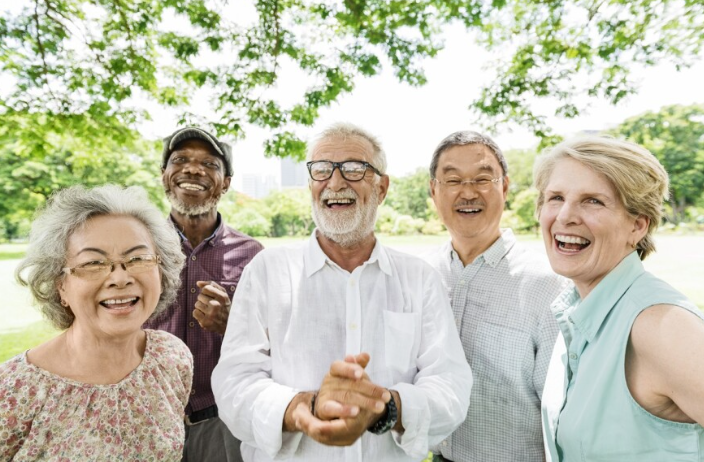
For years, society has treated aging like something to fear. Everywhere we look, we are reminded to stay young, look younger, and act younger. But in my experience, growing old has surprising advantages that many people rarely talk about openly.
The truth is, aging is not simply about wrinkles or slower movement. It is also about gaining wisdom, emotional stability, confidence, and a deeper understanding of what truly matters in life. The older I get, the more I notice how people become calmer, more thoughtful, and more focused on meaningful experiences instead of constant approval from others.
Interestingly, modern neuroscience and psychology support this idea. Studies connected to emotional resilience, memory retention, and cognitive processing suggest that older adults often experience greater life satisfaction than younger people. Even learning and personal growth remain possible far later in life than many assume.
Overview
Growing old is better than you think because it brings greater emotional resilience, sharper wisdom, and deeper self-assurance. Research shows that older adults consistently report higher overall life satisfaction, shedding the anxieties of their younger years in favor of peace, stronger connections, and a focus on the present.
The later chapters of life often provide surprising benefits and perks:
- Greater emotional stability
- Stronger problem-solving abilities
- Better pattern recognition
- Increased self-confidence
- More meaningful relationships
- Reduced stress about outside opinions
- Higher emotional intelligence
- Improved positivity and gratitude
Studies also suggest that maintaining a positive attitude toward aging may reduce cardiovascular risks and even support longer life expectancy.
Read More:
As you explore the emotional and physical benefits of aging, it’s also important to prioritize daily wellness habits — even small lifestyle changes like learning
How to Fake a Good Night’s Sleep
can help you feel more energized, confident, and refreshed at every stage of life.
Why Emotional Stability Improves With Age
One of the biggest changes I have noticed in older adults is emotional balance. Younger people often feel pressure to succeed quickly, impress others, or constantly compare themselves online. As people age, much of that emotional noise begins to fade.
Researchers studying brain activity and emotional regulation discovered that older adults react less intensely to stressful situations. They recover faster from disappointment and focus more on positive experiences. Growing Old Emotional Experiences.
This emotional maturity does not happen overnight. It develops through years of:
- Life experiences
- Challenges
- Relationships
- Failures and recoveries
- Personal growth
In many ways, emotional resilience becomes a hidden superpower of aging.
The “Zero Approval” Advantage
One fascinating benefit of growing older is what many people call the “zero approval” mindset. Growing Older adults often stop worrying so much about what others think.
In my experience, this creates enormous freedom.
People begin prioritizing:
- Peace of mind
- Family
- Health
- Hobbies
- Meaningful work
- Authentic friendships
Instead of chasing trends or social validation, they focus on what genuinely brings happiness.
That confidence is incredibly powerful.
Wisdom Comes From Experience, Not Age Alone
Aging does not automatically make someone wise. However, years of experience can strengthen pattern recognition and decision-making skills.
This reminds me of the fascinating language-learning experiment involving multilingual twins Katy and Sara. While living in Berlin, they challenged themselves to learn English in one week using immersive learning techniques.
Their process revealed something important about human growth:
learning never truly stops.
The twins transformed their apartment into a language immersion environment by labeling objects with English sticky notes, practicing vocabulary daily, and speaking English during everyday activities.
Their success was not about being young. It was about:
- Consistency
- Curiosity
- Adaptability
- Focused repetition
- Practical application
These same qualities often improve with age.
Older adults frequently become better learners because they understand discipline and patience more deeply than younger learners.
The Brain Can Keep Learning Throughout Life
Many people mistakenly believe cognitive decline makes learning impossible later in life. But neuroscience tells a more encouraging story.
Research from Swiss universities explored how people learn foreign languages during sleep. Native German speakers studied Dutch-to-German vocabulary before bedtime while researchers monitored memory retention and neural activity.
The study involved concepts connected to:
- verbal cueing
- memory consolidation
- non-REM sleep
- language recall
- theta brain waves
Non-REM Sleep plays an important role in strengthening memory connections. Researchers also monitored participants using Electroencephalography technology to observe learning-related neural activity.
The findings were remarkable:
participants exposed to familiar vocabulary during sleep remembered words more effectively.
The study also highlighted the importance of Theta Brain Waves, which are associated with deeper learning and cognitive processing.
This research reinforces a hopeful message:
the human brain remains adaptable throughout life.
Why Older Adults Often Feel Happier
One thing I have personally observed is that happiness changes with age.
Younger happiness often depends on:
- achievements
- status
- appearance
- external validation
Older happiness tends to come from:
- meaningful relationships
- peace
- stability
- gratitude
- purpose
This shift creates what psychologists sometimes call the “positivity advantage.”
Older adults are more likely to:
- focus on present moments
- appreciate small joys
- avoid unnecessary drama
- value emotional connections
- protect their mental peace
That emotional shift can dramatically improve overall life satisfaction.
Growing Older Improves Relationships
Aging also changes how people approach friendships and family connections.
In younger years, relationships are often built around convenience, popularity, or shared activities. Over time, priorities shift.
People begin investing more energy into relationships that truly matter.
In my experience, older adults tend to:
- communicate more honestly
- forgive more easily
- appreciate loyalty
- avoid toxic dynamics
- prioritize emotional support
As social circles become smaller, they often become much stronger emotionally.
That depth creates a sense of belonging many younger people still struggle to find.
Lifelong Learning Keeps the Mind Sharp
The story of Katy and Sara also highlights another important lesson:
continuous learning matters at every age.
Whether someone is learning:
- English
- music
- technology
- fitness
- art
- business skills
…the brain benefits from challenge and stimulation.
Here are practical ways older adults can maintain strong cognitive health:
1. Learn a New Skill
Language learning, painting, cooking, or digital skills can strengthen memory and concentration.
2. Stay Socially Active
Conversations stimulate cognitive processing and emotional well-being.
3. Read Regularly
Books, articles, and research help maintain mental sharpness.
4. Prioritize Sleep
Sleep supports memory retention and emotional regulation.
5. Practice Physical Activity
Walking, stretching, and exercise improve blood flow to the brain.
6. Reduce Chronic Stress
Lower stress levels help protect long-term cognitive health.
Why Modern Society Misunderstands Aging
Modern culture often focuses heavily on youth, speed, and appearance. Social media especially creates unrealistic expectations around aging.
But many older adults quietly experience benefits younger people rarely notice:
- increased patience
- stronger emotional control
- better judgment
- financial stability
- clearer priorities
- stronger identity
Aging is not simply decline.
It is also refinement.
Like experience in any profession, life experience creates perspective that cannot be rushed.
Lessons We Can Learn From Aging
One of the most valuable insights I have gained is this:
aging teaches people what actually matters.
Over time, many distractions lose importance.
People become more intentional about:
- where they spend energy
- who they spend time with
- what goals truly matter
- how they protect their peace
That clarity is one of the greatest gifts of growing older.
Can Positive Thinking About Aging Improve Health?
Interestingly, researchers suggest that mindset plays a major role in healthy aging.
People who view aging positively often:
- manage stress better
- stay socially connected
- maintain healthier routines
- remain mentally active
- experience lower anxiety levels
Some studies even connect positive aging beliefs with reduced cardiovascular risk and increased longevity.
The brain and body are deeply connected. Optimism can influence both emotional and physical well-being.
Final Thoughts
Growing old is far better than most people expect. While aging certainly comes with challenges, it also brings emotional resilience, wisdom, confidence, and deeper fulfillment.
The experiences of Katy and Sara demonstrate that learning and growth never truly stop. Combined with modern neuroscience research on memory, sleep learning, and cognitive adaptability, the evidence becomes clear:
the later stages of life can still be deeply productive, meaningful, and joyful.
In my experience, the greatest benefit of aging is perspective. You stop chasing everything and start appreciating what genuinely improves your life.
And honestly, that may be one of the most valuable forms of freedom anyone can experience.